
I'm taking a break from my more ambitious blog writing, putting my books aside. As usual, I've taken my morning walk, bought and read today's paper. I became depressed by my reading of the news and the ominous articles. Is it age that is taking its toll on me, or has the world situation actually deteriorated?
During my walk back home, the heat weighed heavily upon me, like a suffocating thick blanket, while the sun merciless burned everything with its glowing rays. Forest fires and a relentless bear witness of the deadly climate change. Is it possible to do anything about it? What does an ordinary, insignificant layman like me know? What can I do against powerful climate-change deniers like the ignorant, but boundlessly greedy decision-maker and popular leader Donald J. Trump and his acolytes, who currently are spreading their rubbish all over the world, poisoning us with all kinds of lies? What do I do, other than write down obvious thoughts, common to most of us.
The globalization of indifference. Media-savvy influencers, bursting with rabid generalizations and crazy conspiracy theories, are taken seriously by millions of ill-informed fellow humans. A power-subservient media majority do not dare to seek out the actual state of affairs or criticize power-abusing, money-hungry autocrats. Press and TV remain silent in fear of being sued for millions of dollars if any employee against all odds would dare to find and publish the truth behind the lies that are numbing our consciences and killing empathy.
"International solidarity" has become an embarrassing and even ugly word. Compassion for poor and tormented fellow human beings is branded as unwarranted and costly sentimentality. War, misogyny and oppression of free speech are veiled by the arbitrary application of distorted beliefs in imaginary, religious laws and regulations, which, instead of helping people, humiliate, violate, and torment them.
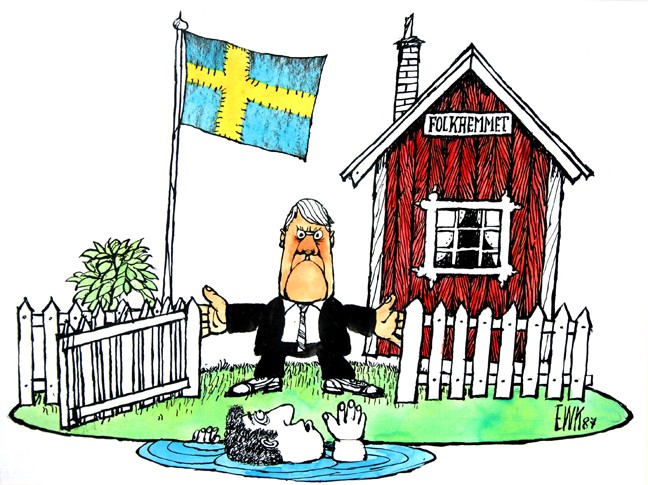
What should be protected is respect for others, combined with personal integrity and happiness. Instead, our bloated, self-righteous egos, our property, family, and wealth; things and values so many of us are perceiving as being constantly threatened by a malevolent outside world. Weapons, nationalism, walls, prisons, death penalty and discrimination are supposed to protect us, while we remain obsessed by thoughts such as "what is best for me", "what can I gain from this". Homo homini lupus, man is man's wolf. We have ceased believing that the best protection for all of us, as well as our entire planet, is solidarity and a fairly distributed welfare. The solution to this is not at all as unattainable as it might seem to be – equal access to education and healthcare, as well as an unconditional support for research.
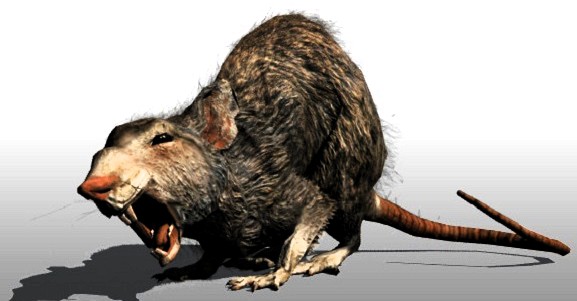
Once in my soon-to-be-forgotten childhood, a friend and I had in an earth cellar cornered a rat. We were armed with shovels and the desperate and terrified animal exposed its sharp fangs, hissing and lunging itself at us. I was horrified. My friend, a burly farm boy, gave a deafening blow to the furious rat and we managed to kill him. It took a long time for the rat to die and memories and nightmares lingered. Sometimes I was the rat, sometimes I was its killer.
A lot of things are looking quite bad and sometimes I wonder if we couldn't have been without several of humanity's most astonishing inventions – the gasoline engine, nuclear power, plastic. I admit that such inventions have enabled so many of us to enjoy a luxurious existence far above that which was relished by the notorious French aristocracy of L'Ancien Régime. However, what does this reckless wallowing in unbridled consumerism mean for our uniquely wonderful planet?
One area that does not cease to impress me is the advances in medicine and pharmacology. I have reached an age where several of my friends have been saved by medical science. Recently, I received an artificial femur ball and a piece of femur through a surgical procedure. It all healed in a couple of months and I marveled at how easily I escaped something that in a not too long time would have left me lame and possibly disabled for the rest of my life.

Today's medical breakthroughs are less than 150 years old. I read about the state of medical knowledge before the 1850s in James/Jan Morris's (1927-2020) powerful Pax Brittanica trilogy, which is about the rise and fall of the English Empire. Incidentally, James Morris was also an example of the remarkable progress of medical science. In 1964, he began his transformation into a woman. He was married to Elizabeth Tuckniss, with whom he had four children. In 1972, he traveled to Morocco to undergo an operation that would transform him into a woman. Morris had been denied such an operation in England because he refused to divorce his wife and renounce custody of their children. The procedure was successful – James Morris became Jan Morris and lived as a woman until he died at the age of ninety-four.
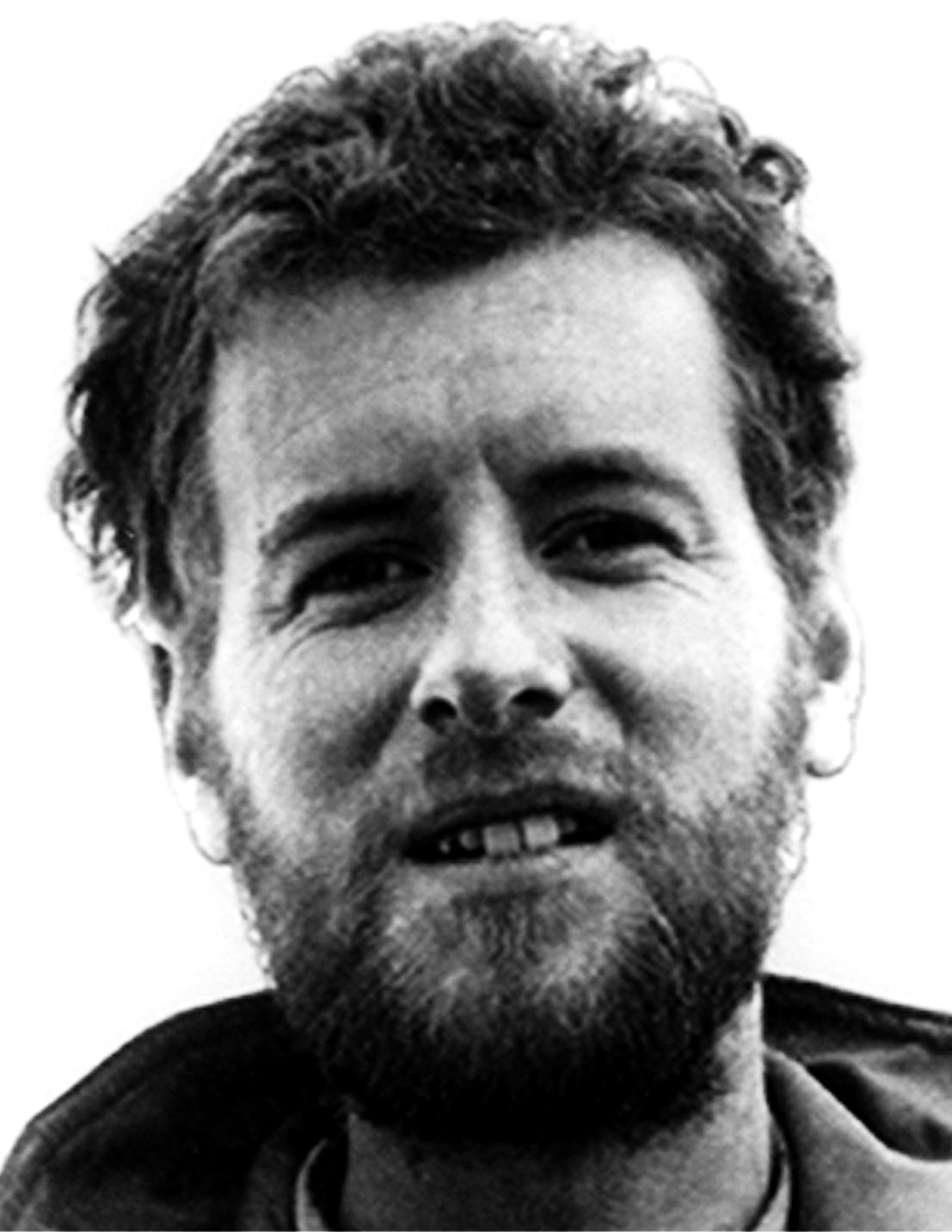
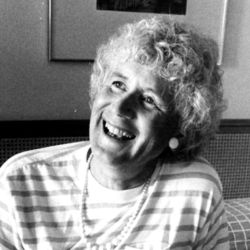
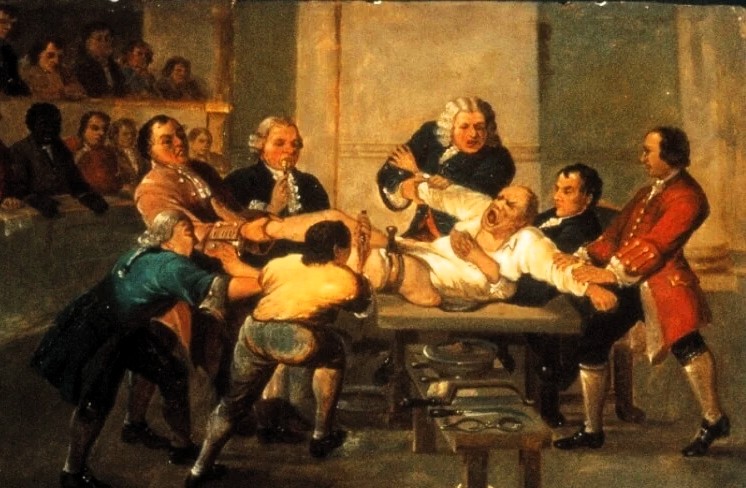
In Pax Brittanica , James Morris tells about the dreadful suffering, dirt, poor hygiene, stench, infections, typhus, amputations, and the total lack of anaesthetics in military field hospitals of the 19th century. Not to mention the lack of water and sewage treatment in rapidly growing cities, the insufficient hospitals and a generally abject cleanliness. If there were hospitals, they were generally little more than "death's waiting rooms". Epidemics swept unimpeded across entire continents and were by most "experts" considered to have been caused by "bad air" produced by decay, stench, or poor ventilation. In fact, nothing was known about the origin of malaria, tuberculosis, typhoid, sleeping sickness, billharzia, elephantiasis, and all the diseases rampant around earth, and there were a lot of delusions about their origin.
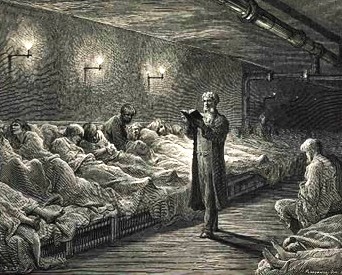
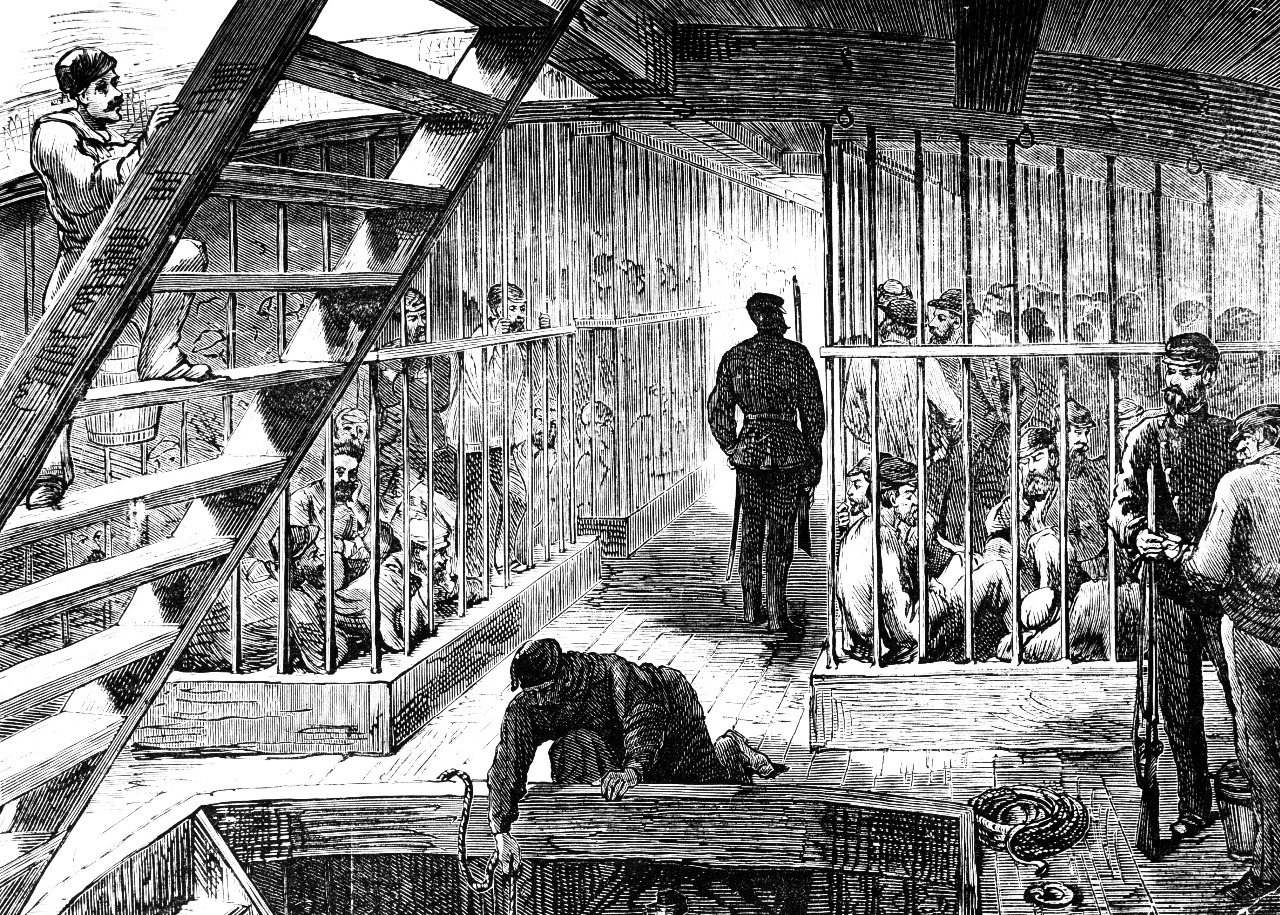
Morris familiarize his readers with the lives of the British colonialists, sweltering in clothes unsuitable for tropical climates, the untreated water they drank, the food prepared by unwashed servants. How most people drank excessively in the belief that alcohol was the best cure for most tropical diseases. Morris also takes us into the cramped galleys of long sea voyages when food rotted, water was inadequate, and disease ravaged the crew, passengers, or slaves and convicts carried across oceans under appalling conditions.
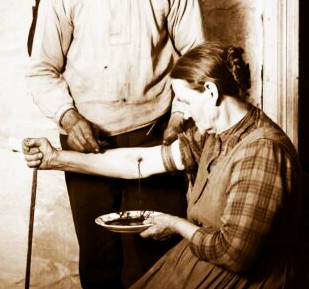
The cures were often bizarre. Cholera was generally thought emerging from the consumption of "unsuitable fish" or through disease-causing “draft” and could be treated by placing a red-hot ring on the patient's navel, thereby destroying the noxious fumes that ravaged the patient's intestines. Malaria and almost all other ailments were generally treated by bloodletting to allow "bad or spoiled blood" to evacuate the body and become replaced by healthy blood produced by the body itself. This was generally done by opening a vein with a knife or needle, or by using leeches for sale in most pharmacies. Bloodletting is now completely obsolete, though curiously enough leeches might still be used by some doctors to remove accumulated, stagnant blood and stimulate blood circulation in damaged tissues.

There was not much that could be done about diseases ravaging the tropics. James Grant, who in 1860 wandered through Central Africa, carried in his medicine bag some effective medicines, as well as many other remedies that were quite useless, or even deadly: silver nitrate, citric acid, alcohol-laced syrup, chamomile, dried rhubarb, quinine, laxatives of kolocynt, laudanum, emetic essence from ginger, something simply called "blue pills" and several patent medicines such as Werburgh's Tincture, which was said to "make a sack of sawdust sweat".

By the middle of the 19th century, medical ailments, abuses and malpractices began to change slowly but surely, and progress then occurred at an ever-increasing rate, until our time when health care has reached an unprecedented sophistication. The beginnings of this favorable development can eventually be traced back to 1842 when Crawford Long managed to perform a painless operation on a patient who had been anaesthetized with ether, then various methods used for anaesthesia advanced rapidly until today's “general” anaesthesia which uses a variety of mixtures of anaesthetic agents inhaled or injected by various means. Accordingly, fear of pain associated with surgical procedures is becoming a thing of the past.
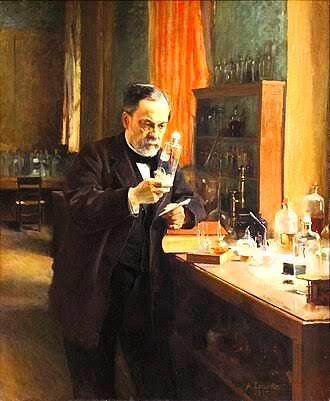
What follows is a brief reminder of the occasionally imperfect though nevertheless impressive beginnings of our current healthcare system – in 1847, Ignaz Semelweiss managed to dramatically limit mortality in childbirth by forcing assistant doctors and midwives to reluctantly and thoroughly wash their hands, leading to suspicions that invisible microorganisms were causing illness and death. In 1857, his theory was confirmed by Louis Pasteur's experiments, findings that in 1867 led Joseph Lister to apply antiseptics to living tissue to reduce the risk of sepsis, infection, and/or decay. In 1876, Robert Koch discovered the anthrax bacterium and modern bacteriology was born. Now, year after year, one vaccination cure after another can be detected and more and more infectious diseases can be prevented.
The following, incomplete and perhaps partly incorrect, list is based on the first year a vaccine was found, though several others are now available and those that once were discovered are now constantly being combined and developed, saving millions of people from deadly diseases – 1885, rabies; 1896, cholera and typhoid; 1897, plague; 1901, smallpox; 1914, tetanus; 1923, diphtheria; 1935, yellow fever; 1942, influenza; 1954, measles; 1955, polio; 1964, rubella; 1971, mumps; 1981, hepatitis B; 1995, hepatitis A; 1999, whooping cough; 2019, ebola, and 2020, COVID-19.
To these fundamental advances can be added Wilhelm Röntgen's invention of X-rays in 1895, Fredrik Banting's discovery of insulin for the treatment of diabetes in 1921, Frederick Hopkins' discovery of vitamins in 1906 and Alexander Fleming's discovery of penicillin's beneficial effects in 1928. Other medical discoveries and improvements are innumerable and constitute evidence of humanity's ability to improve the lives of its fellow human beings.
Despite these impressive successes and great efforts, inadequate health care still claims, often unnecessarily, a multitude of victims. Not only in poor countries, unable to build adequate health care systems, but also in a lot of rich nations where a deficient distribution policy has meant that a large part of their population is denied the care they should receive.
Let me take the U.S. as an example. The United States lacks a national comprehensive, state-supported healthcare system and instead exhibits a mix of joint federal and state programs, as well as exclusive state-specific programs. The system benefits the American insurance industry. No country produces or consumes more insurance than the United States. U.S. insurance premiums amount to an estimated $1.9 trillion, which means that the country accounts for roughly 60 percent of the entire global insurance market, more than the next nine largest markets combined, including Japan, the United Kingdom, and China.
However, one government program is Medicaid, which targets low-income people and people with disabilities. However, a large group has an income that prevents them from receiving Medicaid support but their salary is still too low to cover the expensive private insurances available to high-income earners. Millions of Americans are completely uninsured, while a large portion of the insured population is underinsured. Approximately 43 percent of working-age adults face coverage shortages, or excessive co-payments, that limit the care they need.
The Trump administration's tax cuts actually benefit high-income earners and hurt others. As an example, twelve percent of the state coverage of Medicaid has been removed. The Congressional Budget Office has estimated that by 2034, 11 million Americans will have lost their health care coverage, while high-income earners will have earned an additional 2.7 percent, compared to what they earned this year.

Communicable diseases are not confined to one country alone, they are spreading across the globe and must be combated by joint international action. The deadliest epidemic in history in terms of the number of deaths was not the medieval Black Death but the Spanish Flu, which in 1918 claimed between 25 and 100 million lives, while HIV/AIDS has so far killed 45 million and COVID-19, 7 to 38 million. In terms of effects, however, the Black Death was worse, as it killed up to 60 percent of Europe's population, and even worse was the Justinian Plague, which for ten years in the 500s claimed an even greater number of victims.
Whatever is claimed, I actually believe that vaccination and other measures prevented COVID-19 from having such horrific effects as previous plagues. A vaccine was produced with an impressive speed and was effectively distributed. However – there are still several epidemic dangers lurking. Some deadly viruses have not yet been mastered through research and vaccines. HIV/AIDS is still with us and just as deadly as before, although its effects have been significantly mitigated in recent years.
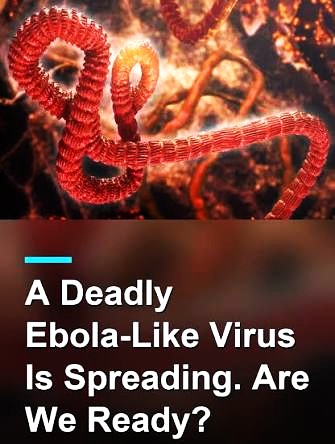
The equally incurable and deadly Ebola Virus, which was first identified in Central Africa in 1976, has begun to spread again. Although in 2019 a vaccine was found against the so-called Zaire variant, it has no effect on two other variants.
What is now required to prevent the spread of Ebola is well-planned coordination of global efforts and community involvement. It is important to quickly identify the ebola victims, build up local laboratories, provide sufficient care for the infected and cremate the infectious corpses.
Several development programmes fight global epidemics and US AID has been especially prominent in the fight against HIV/AIDS and Ebola. This organization has globally administered and provided treatment, testing, and prevention resources for approximately 20 million people with HIV/AIDS.
Recently, the Trump regime began to dismantle and liquidate US AID. Already, the termination of 83 percent of US AID's programs has created a global humanitarian catastrophe. The consequences include severe disruptions in food distribution, sudden halts in medical treatment and research, and the suspension of epidemic prevention measures, all coupled with the loss of critical funding for development programmes that previously reached millions of people worldwide.
What was the reason why billionaires like Trump and Musk, with his dubious DOGE initiative, wiped out a useful, worldwide organization? The destruction of US AID was a typical and unnecessary move characterized by the populism that characterizes Trumpism. An ideology that claims to have a Christian foundation, but is in fact stone deaf to Christ's words:
" Truly I tell you, whatever you did for one of the least of these brothers and sisters of mine, you did for me." Instead of showing solidarity with poor and needy people, Trump and his wealthy accomplices follow the motto of No God but Greed.
The scrapping of U.S. AID was a populist response to ever-publicized polls that consistently showed that the average American considered foreign aid to make up about 25 percent of the federal budget, when the actual average number was between 0.06 and 0.08 percent. No consideration was given to the fact that US AID benefited the United States by promoting national security, strengthening the domestic economy through export market growth, and helping to curb international instability and anti-American sentiment abroad. Estimates suggest that more than 700,000 people have already lost their lives due to the suspension of US aid. Recent analyses suggest that by 2030, a child under the age of five will die every forty seconds due to the closure of an organization that funded more than 40 percent of the world's humanitarian work. The globalization of indifference.

The most recent global epidemic, which we have all more or less been affected by and so many of us have divided opinions about, was COVID-19. Backed by solid scientific knowledge and experience, researchers and responsible decision-makers were nevertheless often forced to defend themselves against laymen who thought they knew more than they did. One such case was Anthony Fauci, physician, researcher and well-known immunologist, who from 1984 to 2022 served as the director of the United States National Institute of Allergy and Infectious Diseases (NIAID), at the same time as he was an active member of the National Institutes of Health (NIH). During his tenure as director of NIAID, Fauci contributed to HIV/AIDS research and other immunodeficiency diseases. As a researcher, he specialized in and developed treatments for polyarteritis nodosa and granulomatous polyangiitis, serious inflammations that damage arteries and veins.
During COVID-19, Fauci was heavily criticized, mainly by far-right groups who opposed NIAID and NIH attempts to contain the epidemic by imposing mandatory vaccination and other drastic measures. Fauci and his family were subjected to serious death threats that required the protection and surveillance of security personnel. In October 2020, Fauci mentioned that he was "not surprised" that Donald Trump, who largely ignored and even thwarted the NIAD's measures, had contracted COVID-19. In doing so, Fauci had made himself an implacable enemy. Donald Trump was worse affected by COVID-19 than the White House publicly admitted and there were concerns that he would need to be put on a ventilator. The president had extremely low blood oxygen levels and a lung problem usually associated with pneumonia caused by the dangerous flu epidemic When Trump after his hospitalization called a "presidential talk", he characterized Fauci as "a disaster" and added that "people are tired of COVID." As soon as Trump began his second term, Fauci was removed from the NIAID and NIH.
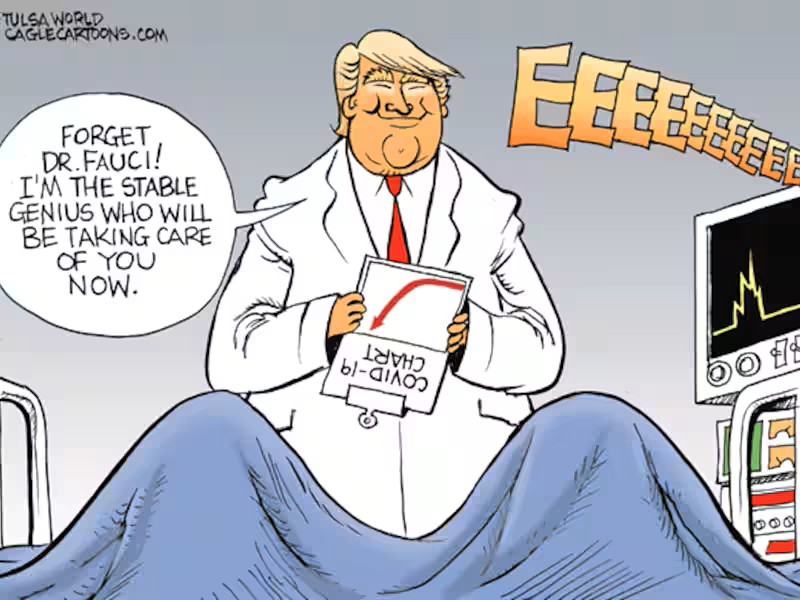
Being the full-fledged narcissist he is, the powerful Trump's dilettantism convinces him to believe he is an expert in all sorts of things. Without proof, he has on several occasions claimed that he has one of the country's highest IQs, while his school grades are hermetically sealed to the press and general public. Such a man is of course also inclined to believe in all kind of snake oil that is constantly trumpeted on the internet as cures for all kinds of ailments.
No wonder that during one of his strange and partly incoherent monologues, this time before Dr. Deborah Brix, who succeeded Fauci as the White House's coordinator of Covid response, Trump began to fantasize about how to fight the epidemic:
So, supposing we hit the body with a tremendous – whether it's ultraviolet or just very powerful light – and I think you said that hasn't been checked but you're going to test it. And then I said, supposing you brought the light inside of the body, which you can do either through the skin or in some other way. And I think you said you're going to test that too. Sounds interesting. And then I see the disinfectant where it knocks it out in a minute. One minute. And is there a way we can do something like that, by injection inside or almost a cleaning? So, it'd be interesting to check that. I'm not a doctor. But I'm, like, a person that has a good you-know-what.
https://www.bbc.com/news/world-us-canada-52407177
Even Deborah Brix could silently listen to such rambling gibberish and was forced to admit that she had not made the strange statements that Trump tainted her with. Previously, Brix had through her unbridled praise of Trump been accused of weakening her scientific credibility. Upon her resignation, Brix admitted that she had intended to do so sooner due to the administration's hyper-loyalty to Trump, which had censored "her science-based guidance" and "deliberately blocked" her from appearing in national media.
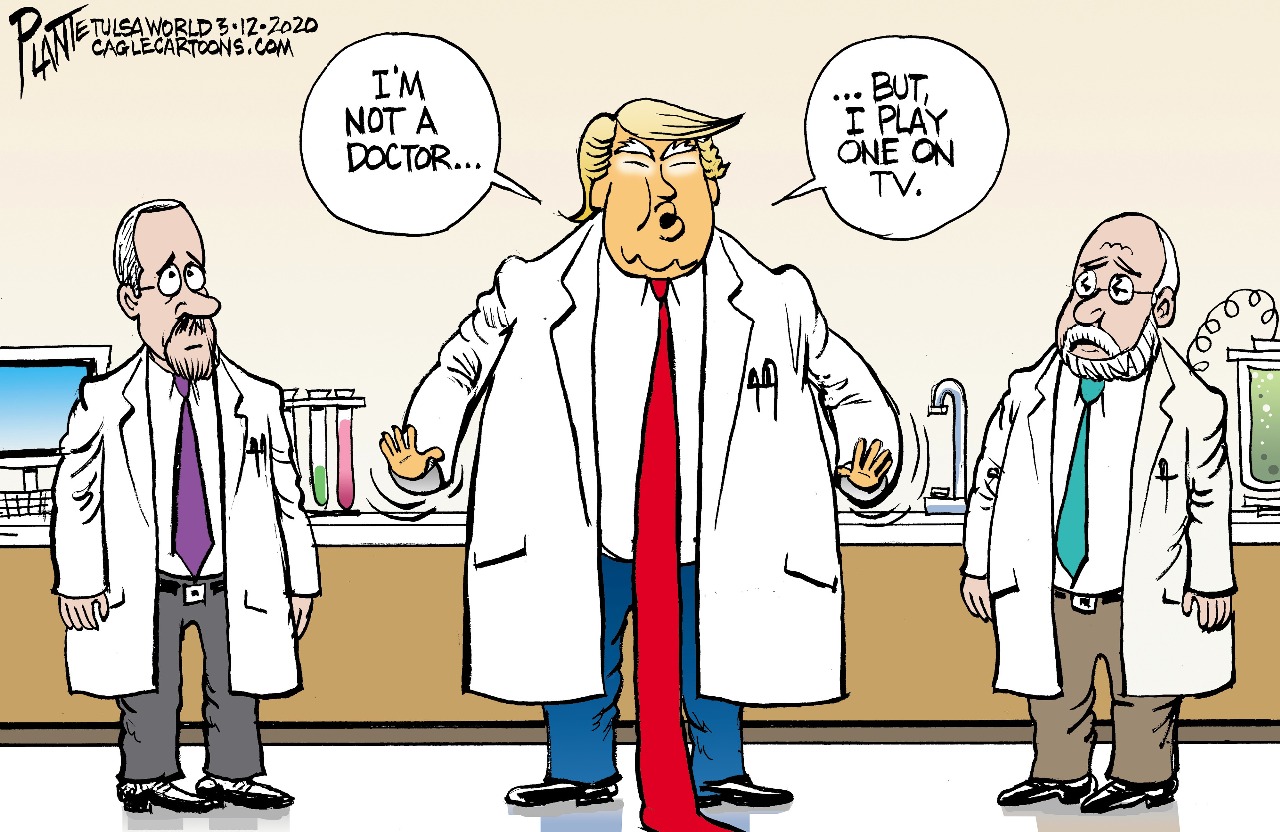
The constant media attention bestowed upon Donald J. Trump and his often confused statements is like a lousy pop song getting stuck in your head, refusing to disappear from your consciousness, or when at work, day in and day out, you take any opportunity to talk about a lousy boss's stupidity. Howeve, what is to be expected when we are forced to put up with an infantile, ignorant narcissist who is actually the leader of the world's wealthiest, most powerful and influential nation?
Trump's confused ideas about how COVID-19 could be cured are probably the result of another of the last century's great discoveries that resulted in the intranet. I remember how, in the last year of the 20th century was working on compiling a text for a development agency and couldn't get hold of a book I needed. My boss at the time told me "go to Google". Google? The answer was that "it's an online search engine".
Then came Google News, Gmail, Google Maps, Google Chrome, Wikipedia, Facebook, Instagram, Twitter, countless podcasts and I don't know what. Now anyone can dive deep into the net and from there retrieve all kinds of information, mixed with lies, conspiracy theories and much other madness. You no longer need to read any newspapers or books. Now you can easily become an "expert" in all sorts of things.

Listening to Trump's strange and often incoherent monologues, filled as they are with pointless anecdotes and ridiculous claims, makes me think of Axel Wallengern's humorous masterpiece from 1894 – Each and Every One his own Professor, or all human Knowledge in Summary. Brief Encyclopaedia Composed by of Falstaff Fakir. The book was divided under the headings "popular education", "learned education" and "practical education" and written as a mishmash characterized by a parodic mode of presentation, which masterfully imitated the all-encompassing and haughty jargon of outdated textbooks, where everything had been distorted and/or misunderstood.
Despite its deliberately outdated language, Each and Every One his own Professor could have been composed by a self-righteous egocentric like Donald J. Trump, a self-proclaimed genius who, strangely enough, is taken very seriously by many people. And why not? His opinions and words sadly have repercussions on all of us.
If Donald J. Trump really reads books, which seems to be questionable given the evasive answers he gives to such questions, although among his tweets one can occasionally find one or two non-committal references to some book. Well, had he read Falstaff Fakir, which is supposedly impossible since the fakir has not been translated into English, Trump would under the heading "health care" found a piece of advice that could have been applied to him: "Tyrannize your surroundings and they will be cautious and not let you perish though neglect."
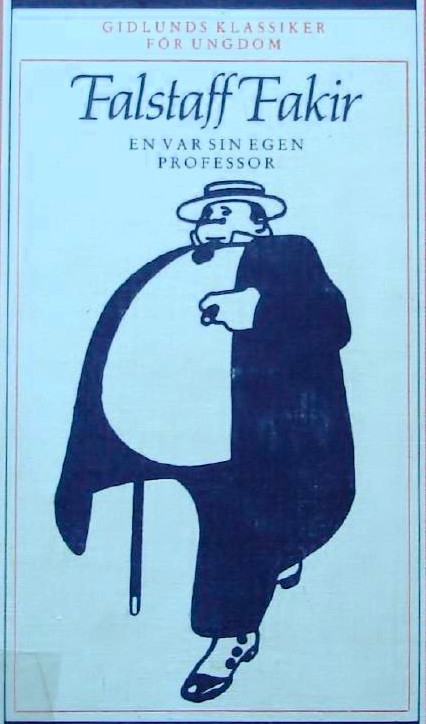
The Fakir´s piece of advice suggests a conscious strategy, stressing the importance of constantly keeping yourself in the focus of attention of those around you, whether by using your charm, or by being overbearing.
Trump's twaddle and strange behaviour are undeniably a mystery and his opponents generally explain it as a manifestation of a narcissistic disorder that has gone completely astray due to his position of power.
I recently read Jeffrey Sonnenfeld's analysis of Trump's behaviour, which, contrary to popular belief, interprets Trump's peculiar conduct as a strategy that he over the years has gradually honed. Sonnenfeld is professor of leadership and business administration at Yale University and have for several years been personally acquainted with Trump. He recently published a book in which he, partly ironically, partly seriously, analyses the American president's "leadership strategy" – Trump's Ten Commandments: Strategic Lessons from the Trump Leadership Toolbox.
Sonnenfeld notes that if Trump could be described as dumb, one might as well call the cunning instinct of a fox “stupidity.” Although he rarely opens a book and would probably fail a college entrance exam, this is irrelevant since Trump’s political manoeuvres are characterized by an undeniable cunning, a shrewd survival instinct, and a chameleon-like adaptability.
In spite of the fact that he repeatedly exceeds the limits of accepted and decent behaviour, Trump is nevertheless allowed to boast, bully, persuade, flatter, and wriggle himself out of deadlocked situations. He has an astonishing ability to maximize benefits that lead him towards personal goals, which are not always in the best interests of the nation, but generally benefit him personally.

Trump’s behaviour is impulsive, sometimes even explosive. Without remorse he openly expresses offensive opinions and antipathies, but this does not prevent him from secretly harbouring his own strategic plans. Sonnenfeld notes:
Make no mistake about it: There is a method to the madness, and he knows what he is doing. Where others see chaos and unpredictability, I see Trump getting exactly what he wants by intentional design.
In a manner that slightly mocks the tips and advice Trump presented in his famous Art of the Deal, Sonnenfeld offers Trump’s Ten Commandments:
1. The Hub-and Spokes Model – centralize all power in your own hands and stay at the centre of everything.
2. The Real Art of the Deal – maximize your leverage by starting with a punch in the face vs. building trust.
3. Divide and Conquer – build walls, not bridges.
4. Make Money – the art of stealing the deal; heads win, tales lose. Be a gambler, but avoid a game you are afraid of losing.
5. Be Charming and One-to-One Behind Closed Doors – maintain a fluidity of friends, foils and foes.
6. Create a Wall of Sound – a perpetual noise machine of constantly overwhelming distractions.
7. Live in a World of Winners and Losers – avoid losers like the plague and practice selective retribution.
8. Rewrite History According to the Sleeper Effect – people initially reject a fake message, but later remember the core content while forgetting the reason they doubted it in the first place.
9. Be a Master of Insult and Reduce Complexity to Simplicity.
10. Take on a Role of Grandeur and Heroic Aura.¨

One "health expert" who seems to have been to President Trump's liking is Robert Francis Kennedy Jr., environmental lawyer, author, conspiracy theorist and anti-vaccine activist, who in November 2024 by Trump was nominated as Secretary of Health and Social Services (HHS). Before the nomination, 75 Nobel laureates called on the U.S. Senate to oppose Kennedy's nomination and stated in an open letter that he would "put public health at risk," shortly thereafter more than 17,000 doctors joined the appeal. Despite this, the Senate's Republican majority, in keeping with the subservience it has shown to Trump so far, decided that Kennedy should become health secretary.
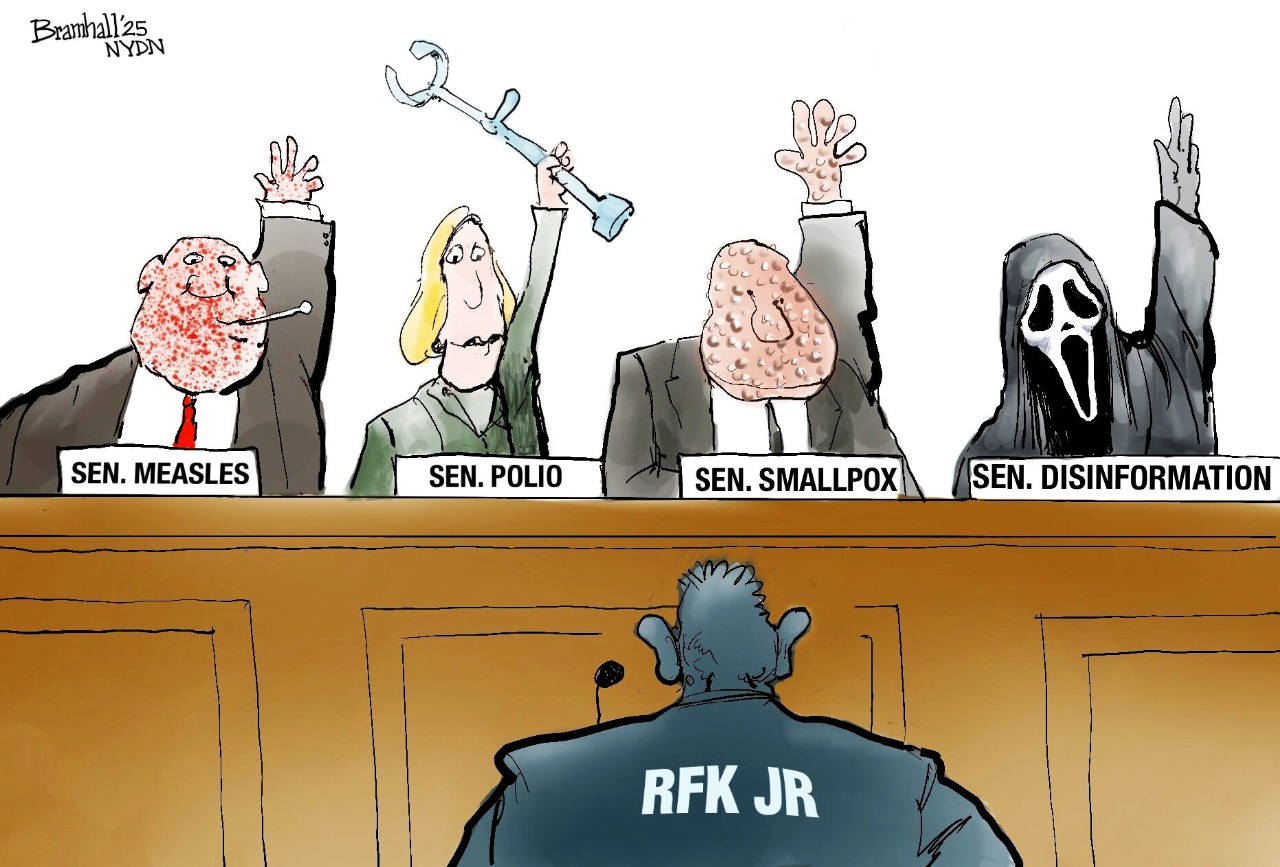
To some extent, RFK Jr, (as he is usually called), has a sad background. On June 6, 1968, the then fourteen-year-old Robert Kennedy Jr. learned that his father, Attorney General and presidential candidate, brother of the legendary President John F. Kennedy, had also been assassinated.
RFK Jr.'s youth and early adulthood were characterized by severe drug abuse and an unrestrained sex life. Over time, however, he seemed to have settled down and became a prominent environmentalist and champion of indigenous rights. At the same time, he developed an aptitude for a variety of strange conspiracy theories. RFK Jr. did for example become convinced that the long-lasting traces, which in the sky can be seen behind high-flying jets contain toxic chemical and aerosols that authorities deliberately, and secretly, for various purposes spray over an unsuspecting population. There is a great deal of various opinions among conspiracy theorists about the nature and purpose of these chemtrails, apart from the fact that they are harmful – chemical manipulations of weather and climate, interference with cell phone coverage, experiments connected with chemical and biological warfare, psychological mass manipulation, population control, experiments with radar systems, and even more fantastic theories involving occultism and the Apocalypse. Kennedy Jr. has above all become all a denier of the causes of HIV/AIDS, an opponent of most forms of vaccination, and an advocate of the scientifically denied connection between vaccination and autism. Views like these Kennedy Jr. has advocated in several popular books. He has no medical education/training and no degree in natural sciences.
What may have attracted Trump to Robert F. Kennedy Jr. is his fight against Anthony Fauci. At some point during Trump's first term (January 20, 2017 – January 20, 2021), Fauci and Kennedy Jr. met to discuss vaccination, and a shocked Fauci later commented on the meeting: "I don't know what's going on in his head, but it can't be good." Fauci was able to get an idea of what was spinning around in RFK Jr.'s head through his best-selling The Real Anthony Fauci: Bill Gates, Big Pharma, and the Global War on Democracy and Public Health. The book sold one million copies in the United States and spent seventeen weeks on the New York Times bestseller list.
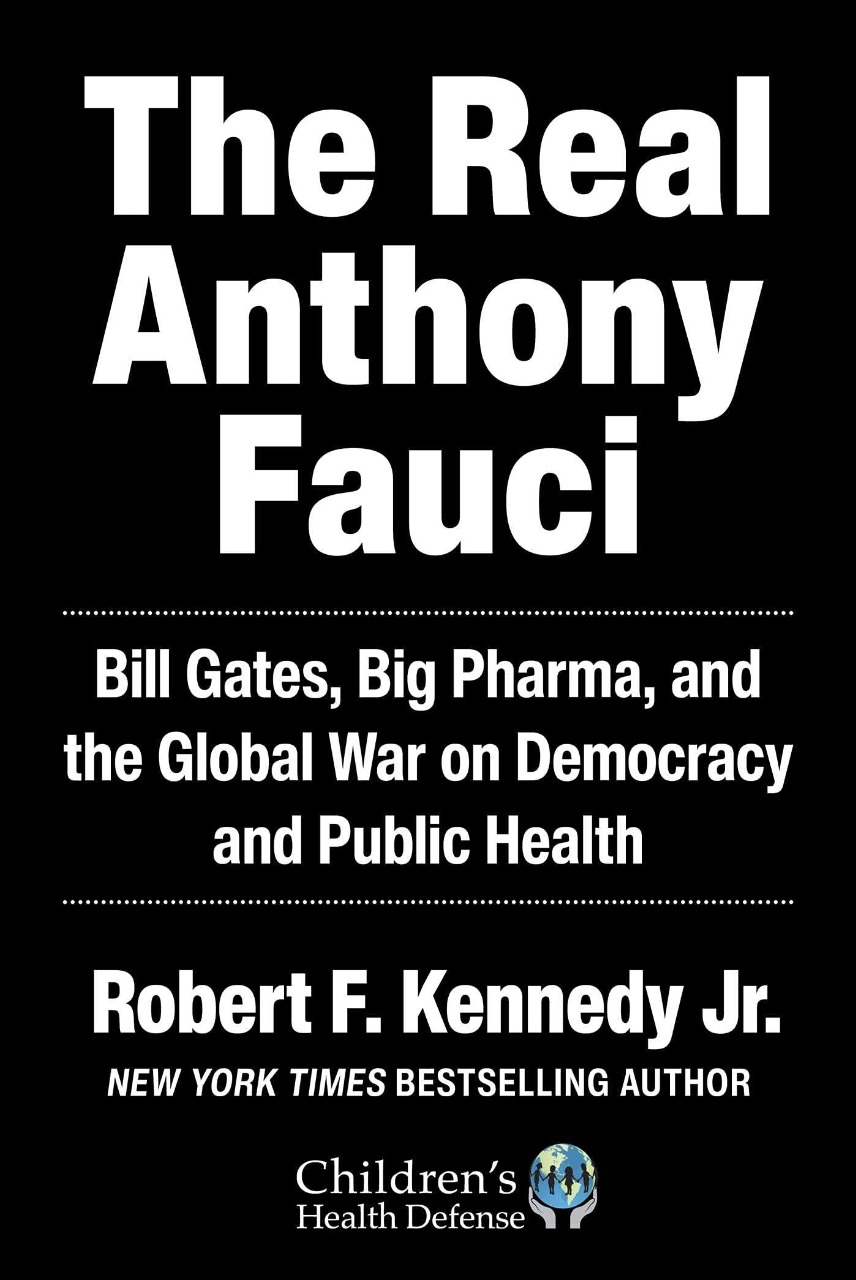
A book packed with dubious “facts” and filled with diagrams and quotes of a scientifically dubious kind, was enthusiastically hailed by mainstream conspiracy theorists like Tucker Carlsson, so rabidly unreliable that he was even fired from Fox News, and a host of other media personalities like Naomi Wolf, who began her career as a radical feminist but then slipped into conspiracy theories and got her twitter account cancelled after spreading misleading information about the dangers of vaccination. Even a radical filmmaker like Oliver Stone, prone to fall for occasional conspiracy theories, praised RFK Jr., along with former "liberal" star lawyer Alan Derschowitz, well known for defending O.J. Simpson, Jeffrey Epstein, and Donald J. Trump.
Most scientists, and especially epidemiologists, were not impressed by RFK J.R.'s efforts and the pernicious dilettantism he used to violently denounce Anthony Fauci and his leadership of the National Institute of Allergy and Infectious Diseases. RFK Jr. rejected the "theory" that AIDS leads to HIV and attacked Fauci for "misinformation" about the HIV/AIDS epidemic and COVID-19, all the while propagating the repeatedly scientifically denied notion that vaccines cause autism.
RFK Jr. did not stop at discrediting Fauci's scientific credentials, he accused him of trying to stage a "coup d'état directed against Western democracy," prepared through nationwide measures against the spread of COVID-19, which, according to RFK Jr, had no medical raison d'être but could rather be considered as measures comparable to methods used by the Nazis to seize power.
In his book, RFK Jr. advocated useless measures to combat COVID-19, the established nature and dangers he questioned. He was particularly passionate about the use of antiparasitic drugs such as hydroxychloroquine and ivermectin. The first has been used in malaria control and the latter against a variety of diseases caused by mites, mas well as dirofilaria immitis, a parasitic worm that attacks the heart and lungs. The use of ivermectin can be life-threatening since it can cause an irregular heartbeat. The WHO has determined that both remedies recommended by RFK Jr. are useless for curing COVID-19 and may even be harmful.
The widely accepted scientific assessment of RFK Jr.'s anti-vaccine stance is that his claims that vaccines (several of which have been around for more than a hundred years and saved millions of lives) have not been clinically tested are undeniably false and that the consequences of spreading such misinformation are extremely serious, if not outright lethal.
It may seem strange that a few individuals, in the absence of scientific knowledge, can be allowed to halt a more than century-old unprecedented success that has benefited us all and has already made many of us live better and longer lives.
I think of the rat that my friend and I killed. He ran according to his instinct about the cellar in a constant search for food. He posed no threat to us boys, who for some reason (for our pleasure?) wanted to kill it. What choice did it have? It wanted to run away, but it couldn't. It went on the attack. And it was scary to witness its useless aggressiveness. But, we boys didn't flee. We killed it.
Can an insignificant retiree like me be help in stopping the unfortunate rampage of powerful men like Trump and RFK Jr. and their breed around the world. Or am I, like the beleaguered rat, waging a futile struggle?
Bynum, William (2008) The History of Medicine: A Very Short Introduction. Oxford: Oxford University Press. Kennedy, Robert Francis (2021) The Real Anthony Fauci: Bill Gates, Big Pharma, and the Global War on Democracy and Public Health. New York: Skyhorse Publishing. Morris, James (1981) Heaven's command: An imperial progress. Harmondsworth: Penguin Books. Sonnenfeld, Jeffrey with Steven Tian (2026) Trump's Ten Commandments: Strategic Lessons from the Trump Leadership Toolbox. New York: Worth.


